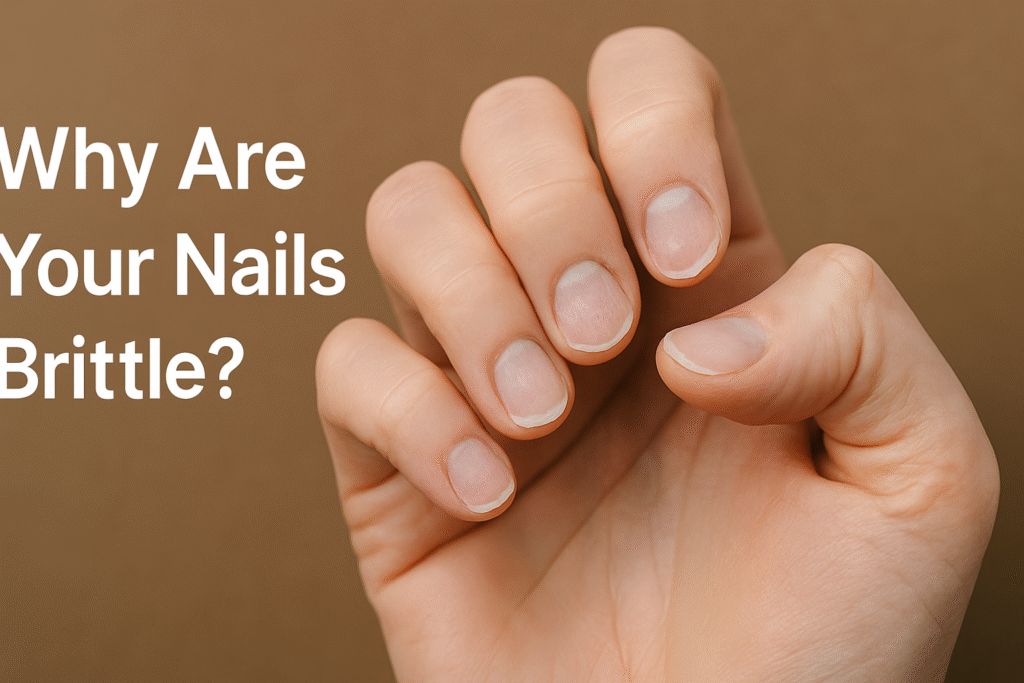
Brittle nails may signal deeper health problems. Learn hidden causes, key nutrients, and real fixes for stronger growth from within.
1. Why Brittle Nails Deserve Serious Attention
Brittle nails may look like a small concern, but they often signal internal imbalances early on. Nutrient gaps, thyroid changes, or chronic stress can first show up in your nail growth and strength.
Since nails regenerate slowly, they give you a timeline of how your body has been doing in recent weeks. Spotting changes early gives you time to address deficiencies before more serious symptoms develop. Read this breakdown of silent nutrient loss to understand how these signs unfold.
Visible Warning Signs
If your nails crack, peel, or split at the tips, it could point to poor nutrient absorption or reduced blood flow. These changes often appear quietly, before you notice any other physical symptoms.
Nails also take weeks to fully grow, so any damage you see now may reflect what was happening internally a month ago. For similar delayed signs, see how vitamin E affects visible health.
The Science Behind Brittle Nails
Keratin, the protein that builds your nails, needs biotin, zinc, and iron to form properly. If your gut isn’t absorbing nutrients well, or if stress is interfering with supply, your nails are often the first to break down.
Even a balanced diet won’t help if nutrients aren’t reaching the nail matrix. Digestive issues and thyroid slowdowns can quietly reduce what your nails receive, making them weak or prone to breakage.
Why It’s Not Just Aging
It’s easy to blame nail fragility on age, but sudden changes are rarely just about getting older. Often, they point to stress, protein gaps, or low vitamin levels that deserve attention.
If your nails were once strong and have recently weakened, consider testing for iron, thyroid, and vitamin D levels. These small changes are often early warnings for larger health shifts.
II. Biotin Deficiency: A Common but Overlooked Cause
Biotin and Nail Cell Formation
Biotin, also known as vitamin B7, is crucial for building keratin. This protein gives your nails their strength, flexibility, and healthy appearance. When biotin is low, nails often grow slowly and lose their natural hardness.
Keratin helps protect nail surfaces from splitting or bending. If these bonds are weak, even small pressure can cause layers to peel or tips to crack. Learn how biotin supports cellular repair and energy balance.
What Biotin Deficiency Looks Like in Nails
Peeling layers, soft tips, vertical ridges, and a dull surface are classic signs of low biotin. You may notice nails snagging on fabric or splitting when trimmed, especially at the edges.
These changes happen slowly and are easy to overlook until breakage becomes frequent. In some cases, nails also take longer to regrow after trimming or injury.
What Lowers Biotin Levels
Many things can reduce how well your body absorbs or uses biotin. Long-term antibiotics, alcohol overuse, and gut issues like IBS or Crohn’s are major causes.
Eating raw egg whites regularly also blocks biotin absorption. This is why athletes who follow raw protein diets may notice weaker nails. Smoking and high sugar intake can make the problem worse.
Food and Absorption Tips
Good food sources of biotin include cooked eggs, nuts like almonds and walnuts, sunflower seeds, spinach, mushrooms, and sweet potatoes. Cooking neutralizes avidin, a compound in raw eggs that binds to biotin.
Combining biotin-rich foods with probiotic options—like kefir or fermented vegetables—can improve how well your body absorbs these nutrients. For more gut-related advice, see this gut and mood connection guide.
Nutrition Gaps That Affect Nail Strength
| Deficiency | Signs You Might See | Fix to Focus On |
|---|---|---|
| Iron | Spoon-shaped nails, slow growth | Eat lentils, red meat, or take supplements |
| Biotin (B7) | Peeling nails, softness | Eggs, nuts, leafy greens |
| Zinc | White spots, nail weakness | Pumpkin seeds, seafood |
| Vitamin A | Dry cuticles, nail brittleness | Leafy greens, carrots, cod liver oil |
| Folate | Nail ridges, poor repair | Spinach, fortified cereals |
III. Thyroid Issues: When Hormones Sabotage Nail Health
Hypothyroidism Effects on Nail Strength
Your thyroid helps regulate how quickly cells renew. When thyroid function slows, as in hypothyroidism, nail cells regenerate at a much slower pace. This often causes brittle nails with cracks, peeling, and visible ridges.
The surface can appear dull, and nails may begin to lift slightly from the bed due to weaker structural bonds. These subtle nail shifts can appear weeks before other symptoms. Read how thyroid slowdowns affect cell energy.
Other Symptoms That May Accompany Nail Problems
When thyroid hormones drop, more than just nails are affected. You might feel cold often, struggle with brain fog, or notice easy weight gain. Slowed reflexes and puffy fingers can appear alongside poor nail growth.
In women, menstrual changes and dry skin are also common. When these symptoms show up with brittle nails, they can point to an underactive thyroid.
How to Test for Thyroid Problems
A basic TSH (thyroid stimulating hormone) blood test is the first step. High TSH levels suggest that the thyroid is underperforming. For more detail, free T3 and free T4 tests can show how well your body produces active thyroid hormones.
If you’re unsure about the cause, this guide on body-wide slowdowns may help connect signs like fatigue, mood changes, and nail issues.
What Happens After Treatment
With proper thyroid medication like levothyroxine, nail strength often improves. However, it may take 3 to 6 months because nail plates form slowly and need time to grow out the damaged parts.
Eating selenium-rich foods such as Brazil nuts, along with moderate iodine intake, may support thyroid balance. Always check with your doctor before using supplements that affect hormones.
IV. Iron and Zinc: Two Minerals Critical for Nail Strength
Iron Deficiency Anemia and Nail Breakage
When iron levels drop, oxygen delivery to the nail matrix slows. This weakens keratin production and can lead to thin, spoon-shaped nails or peeling tips. It may also slow nail regrowth after trimming or damage.
If you often feel tired, dizzy, or notice pale skin, iron deficiency anemia may be a hidden cause. Nails are one of the first places to show stress from poor oxygen supply. Learn more in this nutrient warning guide.
Why Zinc Matters for Nails
Zinc is needed for enzymes that help build and repair keratin. Without it, your nails may form white spots, crack easily, or become more prone to infections like swelling around the nail folds.
It also supports your immune system and collagen structure, both of which help nails bounce back from damage. For more on skin recovery, visit this guide on healing diets.
Why You May Be Deficient
Iron and zinc levels can dip due to heavy periods, vegan diets, pregnancy, or digestive issues. Grains and legumes contain phytates, which block mineral absorption. This puts nail strength at risk without good planning.
Conditions like Celiac or IBD may also interfere with how well your body absorbs these minerals, even if your intake is adequate.
Testing & Supplement Safety
If ferritin drops below 30 ng/mL, it often signals low iron stores. Zinc tests are less common but helpful if you have nail problems and frequent infections. Only take supplements after testing. High doses of zinc can block copper, leading to new deficiencies.
Daily Habits That Harm Nail Health
| Habit | Why It Hurts | What to Do Instead |
|---|---|---|
| Skipping meals | Leads to nutrient gaps | Eat balanced meals regularly |
| Nail biting | Damages the nail matrix | Use bitter polish or stress relief tools |
| Dehydration | Dries out nail beds | Drink 7–8 glasses of water daily |
| Smoking | Reduces blood flow to nails | Quit to restore nail circulation |
V. Protein and Vitamin D Deficiency: Silent Nail Saboteurs
Protein’s Role in Nail Structure
Nails are made primarily of keratin, a tough protein built from amino acids. When your diet lacks protein, your body prioritizes vital organs, leaving nails brittle or prone to splitting.
Protein also fuels nail plate renewal. Without it, nails grow with weak edges and rough texture. Learn how energy mismanagement affects nail growth.
Early Nail Symptoms of Protein Deficiency
Early signs include nail softness or bending. This often leads to frayed tips, chipping, or thin nails that struggle to grow past the fingertip.
Crash diets, long illnesses, or consistent under-eating can trigger these symptoms. They may go unnoticed until deeper splits or full nail detachment occurs.
Vitamin D and Nail Quality
Vitamin D helps absorb calcium and supports cell repair—including nail cells. A deficiency can slow nail growth, weaken bonding, and make nails more prone to flaking or tearing.
This vitamin also plays a role in immune response and inflammation, which affects how nails handle stress or minor damage.
Common Causes of Deficiency
Low sun exposure is the top reason for vitamin D deficiency. Staying indoors, heavy sunscreen use, or living in smog-heavy cities reduces your body’s ability to produce it naturally.
Mild deficiencies can silently affect nail strength long before symptoms like fatigue or soreness show up. See how silent patterns unfold in this related guide.
Deficiency Effects on Nails
| Symptom | Cause | Fix |
|---|---|---|
| Soft or slow-growing nails | Vitamin D deficiency | Get sun exposure, consider D3 supplements |
| Peeling nails after crash dieting | Protein deficiency | Restore full meals with protein |
VI. Stress and Hormonal Shifts: Hidden Nail Disruptors
When stress becomes chronic, your body produces high cortisol levels. This hormone restricts circulation to less vital areas like the nail matrix, which slows growth and cuts off nutrients. Brittle nails often show up before emotional burnout is even recognized.
Stress also fuels inflammation, weakens immunity, and increases free radical damage—factors that disrupt nail repair. For deeper insight, explore this guide on lowering cortisol.
Signs of Hormonal Nail Changes
Estrogen and progesterone shifts, especially during menopause, postpartum, or perimenopause, can lower nail hydration and growth. Nails may appear dull, form horizontal ridges, or split despite careful grooming.
These changes often accompany hot flashes, fatigue, or thinner skin. Nail fragility is an early, visible sign of hormonal imbalance. Read how your diet can help in this aging and nutrition article.
Burnout’s Impact on Nail Health
When your body is worn down from overwork, poor sleep, or mental strain, nail growth slows and healing suffers. You may notice cracked cuticles, hangnails, or weak regrowth that feels paper-thin.
Burnout also depletes magnesium, zinc, and protein reserves—all critical for nail repair. If you’ve been pushing through fatigue and your nails keep declining, that’s your body asking for help.
VII. Nail Damage from Styling, Chemicals, and UV Exposure
What Harms Nail Surfaces
Many nail products contain harsh solvents or hardeners like acetone and formaldehyde. These chemicals dry out the nail bed, strip protective oils, and weaken the keratin layer. The result: brittle, cracked nails that grow slowly.
Repeated gel manicures, acrylics, or excessive buffing gradually thin the nail plate. Even strong nails can begin to lift, split, or feel tender. Learn about similar hidden hazards in this article on chemical overload.
Sun and UV Damage to Nail Beds
UV rays don’t just harm skin—they also impact nails. Prolonged exposure from sunlight, tanning lamps, or UV dryers dries out the nail matrix and weakens keratin bonds, making nails brittle or discolored.
This is especially common if you skip SPF or have low hydration. Over time, nails may lose their healthy pink hue and show ridges or dullness.
Protective Tips
Choose polish removers without acetone, and give your nails a polish-free week monthly. Apply cuticle oils and biotin-rich creams to support recovery between treatments.
If you’re outdoors often, use gloves for yard work and SPF hand creams to shield against UV damage. For more on external aging, explore this healthy longevity guide.
VIII. Infections and Nail Disorders to Watch For
Fungal Nail Infections
Onychomycosis can make nails appear yellow, thick, and crumbly. It often starts at the outer edge and gradually spreads inward. Antifungal medication is typically needed for treatment.
Autoimmune Nail Disorders
Conditions like psoriasis may cause nail pitting, horizontal lines, and color changes. These symptoms tend to worsen during stress and may require long-term care.
When to Suspect a Medical Issue
If your nails change quickly or show pain, swelling, or partial detachment, it could indicate infection or disease. See a doctor if the symptoms don’t improve over time.
IX. When to Seek Medical Attention for Nail Issues
Don’t Ignore These Signs
Nails that bleed, swell, detach, or develop deep grooves should not be dismissed. These changes can be early signs of thyroid issues, infections, or autoimmune disorders.
If nail changes happen suddenly or worsen without a clear reason, your body may be alerting you to internal stress. Track your symptoms carefully over time.
What Doctors Look For
Dermatologists examine nail shape, color, thickness, and surface texture. They also check cuticles and nearby skin for inflammation or unusual patches that may reveal hidden health concerns.
Nails often show signs of illness before other symptoms appear. That’s why detailed nail checks are part of many routine exams.
Useful Nail Lab Tests
Common lab tests include ferritin for iron levels, TSH for thyroid function, and vitamin D levels. These help identify causes behind brittle or slow-growing nails.
If infection is suspected, your doctor may clip a sample, scrape the nail, or run a fungal culture. Quick testing can prevent long-term damage.
What to Share with Your Doctor
Bring notes on recent changes—like sleep, stress, cycle shifts, or new medications. These details help doctors spot the root of your nail issues.
For tracking lifestyle shifts, check out this guide on daily habit changes.
Common Red Flag Patterns
| Symptom | Possible Cause | Next Step |
|---|---|---|
| Ridges + fatigue | Anemia or thyroid issues | Get TSH, CBC, ferritin labs |
| Swelling near nail folds | Infection (bacterial/fungal) | Seek antifungal or antibiotic care |
| Persistent pitting or lifting | Autoimmune or skin conditions | Refer to a dermatologist |
X. Final Tips: How to Strengthen Your Nails Naturally
Set Realistic Expectations
Healthy nails don’t bounce back overnight. Growth is slow—about 3 millimeters each month. Once deficiencies are corrected, it may still take 3 to 6 months to see stronger results.
Choose Food First, Not Just Supplements
Food-based nutrients are easier for the body to absorb. Supplements can help but aren’t magic fixes. If you’re unsure, test your levels before adding anything new.
Simple Habits That Boost Nail Health
Drink water, eat enough protein, moisturize cuticles, and use gloves while cleaning. Avoid harsh removers and stop picking or biting your nails. Small habits add up.
Consistency Is Key
Even the best products won’t work without regular use. Stick with your routine for several months before judging results. Nail health builds gradually with daily effort.
Frequently Asked Questions
1. Why are my nails suddenly brittle?
Sudden brittleness can happen due to low iron, stress, harsh chemicals, or hormone shifts. It may also be a sign of poor blood flow or thyroid imbalance.
2. Can diet really improve my nail health?
Yes. Eating enough protein, healthy fats, and minerals like zinc, iron, and magnesium supports strong nail growth. A balanced diet is more effective than supplements alone.
3. What does it mean when my nails have ridges?
Ridges often point to nutrient deficiencies, hormonal changes, or chronic stress. If they’re deep or come with other symptoms, a doctor should check for thyroid or autoimmune issues.
4. How long does it take to fix damaged nails?
It takes about 3 to 6 months to see major improvement. Nail growth is slow, so daily care and consistent nutrition are key for results.
5. When should I see a doctor about nail changes?
See a doctor if nails detach, swell, hurt, or change color rapidly. These may be signs of infection or internal health problems needing medical attention.
Brittle Nails Summary
Main Content Summary
Brittle nails and sudden hair thinning often point to deeper internal issues—like low ferritin, chronic stress, nutrient gaps, or hormonal shifts. This article walks you through 10 medically recognized causes, from poor blood circulation to overuse of nail polish, with tips for recovery and when to seek help. Key signs like ridges, detachment, or inflammation may hint at thyroid or autoimmune concerns. Actionable habits, diet upgrades, and targeted lab tests can reveal and reverse hidden causes, helping you restore stronger nails and thicker hair naturally.
Diagnostic Table: Nail Clues and Health Links
| Nail Sign | Potential Cause | What to Do |
|---|---|---|
| Dry, cracked nails | Dehydration, low fat intake | Increase hydration, healthy oils |
| Horizontal ridges | Stress, iron/zinc deficiency | Check ferritin and magnesium |
| Slow growth | Low thyroid function | Test TSH, boost iodine-rich foods |
| Yellowing or thickening | Fungal infection | See dermatologist for treatment |
| Nail detachment or swelling | Autoimmune or skin conditions | Refer to specialist for evaluation |
PreHealthly Scientific Block: Research‑Backed Findings on Brittle Nails and Hair Loss
- Low Ferritin Impacts Nail and Hair Strength
Low iron stores (ferritin) are linked to hair shedding and nail ridging in multiple studies. Ferritin below 30 ng/mL may impair keratin production.
Source: J Korean Med Sci, 2013 - Chronic Stress Reduces Nail Growth and Hydration
High cortisol levels reduce blood flow and increase oxidative stress, affecting nail matrix and hair follicles.
Source: Psychoneuroendocrinology, 2005 - Hormonal Shifts During Menopause Affect Nail Texture
Decreased estrogen reduces skin and nail hydration, leading to increased brittleness and thinning hair.
Source: Climacteric Journal, 2020 - Protein Deficiency Weakens Nail Matrix
Insufficient amino acids delay nail regrowth and can cause spoon-shaped nails (koilonychia).
Source: Advances in Wound Care, 2015 - Fungal Infections Are a Leading Cause of Nail Changes
Onychomycosis causes discoloration, thickening, and nail crumbling—most common in older adults.
Source: American Family Physician, 2013 - UV Exposure Damages Nail Keratin
Repeated UV exposure from nail dryers or sunlight can lead to brittleness and structural damage.
Source: Dermatol Surg, 2014 - Vitamin Deficiencies Alter Nail Appearance
Low biotin, zinc, and B-complex levels are associated with brittle, thin, or splitting nails.
Source: J Drugs Dermatol, 2007 - Thyroid Dysfunction Slows Nail and Hair Growth
Both hypothyroidism and hyperthyroidism cause slow nail growth, thinning hair, and nail separation.
Source: Clinical Dermatology, 2016
Scientific Citations
- Gupta AK, et al. “Onychomycosis: A review.” American Family Physician. 2013;88(11):762–770.
- Trost LB, Bergfeld WF. “The diagnosis and treatment of iron deficiency and its potential relationship to hair loss.” J Am Acad Dermatol. 2006;54(5):824–844.
- Chandrashekar BS, et al. “Role of biotin in improving brittle nails.” J Drugs Dermatol. 2007;6(2):141–144.
- Russell M. “Dermatologic manifestations of thyroid disease.” Clin Dermatol. 2016;34(4):452–460.
- Kim JE, et al. “Iron deficiency and brittle nails: A review.” J Korean Med Sci. 2013;28(10):1544–1547.
- Antony AK, et al. “Ultraviolet nail lamps and photoaging.” Dermatol Surg. 2014;40(1):106–112.
- Sharma A, et al. “Stress and its effects on skin and hair.” Psychoneuroendocrinology. 2005;30(8):721–728.
- Wang Y, et al. “Effects of estrogen decline on skin and nails in menopause.” Climacteric. 2020;23(1):19–25.
- Santosa A, et al. “Protein intake and nail growth.” Adv Wound Care. 2015;4(10):560–566.
Source Block: External References
- Biotin Deficiency and Nail Fragility – NCBI
- Onychomycosis: A Review – American Family Physician
- Iron Deficiency and Hair/Nail Impact – PubMed
- Biotin in Brittle Nails – JDD
- Thyroid & Nail Health – Clinical Dermatology
- Protein Intake and Nail Growth – Adv Wound Care
- Menopause and Nail Skin Changes – PMC
- Stress and Skin Effects – ScienceDirect
- UV Nail Lamps & Photoaging – PubMed
- Medical News Today – Causes of Brittle Nails
I’m a health and wellness researcher focused on substance awareness and public safety. I’m dedicated to presenting accurate information that helps readers make better health decisions.