Eye twitching causes are explained through overlooked stress signals, nutrient imbalances, and hormone shifts, including rare triggers like emotional suppression and nighttime muscle fatigue. Learn how to read your body’s messages and stop recurring eye spasms naturally.
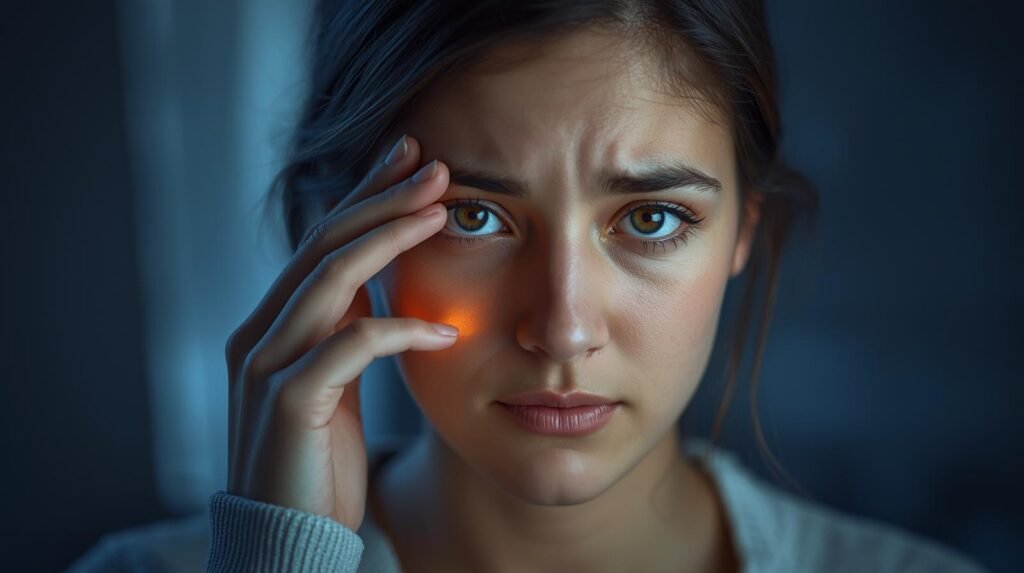
1. An Eye Twitching Good or Bad?
Most eye twitches are harmless. They come and go without leaving any damage, often linked to simple triggers like tiredness or too much caffeine. But calling it “good” or “bad” depends on what your body is trying to say.
Occasional twitches are just muscle spasms not a sign of illness. But frequent or prolonged twitching could mean your nerves or muscles are reacting to stress, imbalance, or strain. In rare cases, it can be a symptom of something deeper, like a nerve disorder or chronic eye irritation.
Emotional triggers can also amplify how your body reacts, especially when fatigue or anxiety builds up over time. Knowing when to ignore it and when to investigate is the real key.
2. Why Your Eye Twitches Before Big Decisions What Stress Does to the Body
Ever notice your eye twitching before a big meeting or tough choice? That’s not a coincidence. When stress ramps up, your brain floods the body with stress hormones like cortisol and adrenaline. These hormones can overstimulate tiny facial muscles, especially around the eyes.
Eye twitching becomes a physical outlet for the pressure you’re holding in. It’s your nervous system’s way of reacting to the overload. And the more you suppress stress or skip rest, the more often these twitches can strike.
Chronic tension has many physical signs, and emotions affecting your health is more common than most realize. Eye twitching might be the body’s earliest whisper that it’s time to slow down.
3. Your eye twitches. Here’s what you’re ignoring and what it’s warning you about.
When your eye twitches, it’s rarely random. Most people ignore it, thinking it’ll go away and usually, it does. But repeated twitching can be your body’s way of signaling trouble, especially if paired with stress, poor sleep, or screen fatigue.
You might be pushing through too many hours without rest, or your diet could be lacking in magnesium or other nutrients. Twitching is your nervous system’s soft alarm a hint that something isn’t balanced internally.
According to insights from common body warning signs, subtle symptoms like twitching shouldn’t be brushed off when they repeat. Listen early before the message gets louder.
4. Chronic Eye Twitching: The Weird Hormone Link No One Talks About
If your eye won’t stop twitching for days or even weeks, hormones might be part of the story. Cortisol, the main stress hormone, affects nerve sensitivity. When it stays elevated, your body becomes more reactive — including those tiny eye muscles.
Another hormone to watch is estrogen. Fluctuations during menstrual cycles, pregnancy, or menopause can make the nervous system more excitable. That’s why some people notice twitching gets worse during hormonal changes.
Hormones silently shape how your nerves behave. If twitching lingers, it may be time to look at deeper patterns in your body. This is often missed, even though nutrients like vitamin E and hormonal balance work closely together.
5. Eye Twitching and Anxiety: Why Your Brain Hits the Panic Button Through Your Face
Eye twitching can be one of the first signs your nervous system is overloaded. When anxiety builds, your brain shifts into fight-or-flight mode. Muscles tighten, breathing changes, and even small nerves around your eyes start firing without clear reason.
These tiny spasms are not random — they reflect how your body processes stress. Your brain’s attempt to stay alert ends up pushing your facial nerves into overdrive. That’s why twitches often show up during anxious weeks, big deadlines, or sudden fear.
The more we ignore anxiety’s physical signals, the louder they get. Recognizing these signs helps you act before full burnout. Learn how breathing habits affect the brain and may worsen twitching under stress.
6. What the Science Really Says About Eye Twitching and Nutrient Deficiency
Eye twitching isn’t always about screen time or stress. Sometimes, your body is simply missing key nutrients that help muscles and nerves function smoothly. Low levels of magnesium, potassium, or B vitamins especially B12 are known to trigger facial muscle spasms.
These deficiencies affect how signals move through your nerves. Without enough of these micronutrients, your muscles may fire irregularly, causing spasms around the eye. Even slight imbalances can lead to symptoms that seem mysterious but are rooted in nutrition.
A blood test and a diet review can uncover silent deficiencies. Here’s how to spot the signs of B-vitamin deficiency and restore the balance before twitching becomes chronic.
7. Why Twitching Gets Worse at Night (And What to Do About It)
If your eye twitching intensifies in the evening, you’re not alone. As the day winds down, your body enters repair mode but if it’s running on stress and low rest, twitching can flare up instead. Fatigue, poor sleep, and nighttime dehydration are common culprits.
Screen exposure before bed can also overstimulate your eye muscles, especially if you’ve been staring at phones or TVs in the dark. Blue light disrupts melatonin production and delays the natural relaxation your body needs.
To calm nighttime twitching, create a screen-free buffer before sleep and stay hydrated. You can also explore the benefits of better hydration habits to ease nerve tension over time.
8. The Migraine Connection: Why Some Eye Twitches Signal More Than Fatigue
When eye twitching happens alongside headaches or sensitivity to light, it might not be just tiredness. Some forms of migraine, especially those linked to nerve hypersensitivity, can trigger facial muscle spasms — including the eye area.
This is your nervous system sending signals that something’s out of balance. Triggers like flashing lights, certain foods, or skipped meals can overlap with both migraines and eye twitching symptoms.
If you suspect a link between the two, tracking your patterns and reducing migraine triggers can help. Read how unexpected body signals may offer deeper clues about what’s going on.
9. Left Eye Twitching? Right Eye? The Side Matters More Than You Think
Most people shrug off eye twitching, but which eye is twitching could reveal more than you think. In traditional beliefs and some cultural interpretations, left or right eye twitching has symbolic meaning. But even medically, the side can sometimes matter.
Persistent twitching on one side might point to nerve compression or stress targeting a specific facial nerve branch. If one eye twitches more often especially with other facial symptoms — it could be worth mentioning to your doctor.
Check out why the body shows warning signs in subtle ways, often before pain even starts.
10. You’ve Been Holding in a Cough or Crying Too Long
Eye twitching doesn’t always come from outside stress sometimes, it’s pressure from within. Suppressing a strong cough or stifling tears can strain the muscles around your eyes. That tension builds up and triggers small spasms.
When your body needs to release emotion or irritation, forcing it down only delays the response and it shows up in places you’d never expect. Twitching, in this case, is just your body’s quiet protest.
If you often ignore these subtle stress signals, see how emotions affect your physical health more than we realize.
Disclaimer
This article is for informational purposes only and does not offer medical advice, diagnosis, or treatment. Always consult a qualified healthcare professional if you experience persistent or unusual eye twitching, vision changes, or any other health concerns. Never ignore medical symptoms or delay seeking care based on information provided here.
Frequently Asked Questions
Can stress really cause eye twitching?
Yes, stress is one of the most common causes of eye twitching. When your body is tense, the tiny muscles around your eyes may spasm, especially if combined with fatigue or eye strain.
When should I be concerned about eye twitching?
Occasional twitching is harmless, but if it lasts more than a few days, affects both eyes, or comes with other symptoms like drooping eyelids or facial twitching, consult a doctor.
Can a vitamin deficiency lead to eye twitching?
Yes. Deficiencies in magnesium, potassium, or B vitamins can sometimes cause muscle spasms, including around the eyes.
Is it true that eye twitching can be linked to neurological issues?
In rare cases, yes. Persistent twitching may signal a neurological condition like benign essential blepharospasm or hemifacial spasm, which needs medical evaluation.
Does caffeine make eye twitching worse?
It can. Too much caffeine may overstimulate your nervous system, making eye muscles more likely to twitch.
Understanding Eye Twitching Causes at a Glance
Eye twitching isn’t always random — it’s your body’s way of signaling fatigue, stress, or imbalance. While most cases are harmless, repeated twitches may point to deeper problems. This table highlights the most common causes, symptoms, and when to seek help.
| Cause | Trigger | Common Symptoms | When to Worry |
|---|---|---|---|
| Stress | Emotional pressure, anxiety | Random eyelid flickering | Lasts for weeks, interferes with vision |
| Fatigue | Lack of sleep, overwork | Light, repetitive twitch | Doesn’t stop with rest |
| Eye Strain | Too much screen time, poor lighting | Spasms after digital use | Accompanied by blurred vision |
| Caffeine or Alcohol | Overstimulation | Jumpy eyelid, jittery feeling | No relief after cutting back |
| Magnesium Deficiency | Poor diet, stress depletion | Muscle spasms, eyelid twitch | Occurs with leg or hand cramps |
| Neurological Issues | Facial nerve irritation | Persistent, strong twitches | Includes facial droop or speech trouble |
Scientific References
- Cleveland Clinic. “Eye Twitching.” ClevelandClinic.org. Accessed December 2025. https://my.clevelandclinic.org/health/symptoms/17663-eye-twitching
- Mayo Clinic. “Eye Twitching: Causes.” MayoClinic.org. Accessed December 2025. https://www.mayoclinic.org/symptoms/eye-twitching/basics/causes/sym-20050838
- All About Vision. “Eye Twitching: Causes and Treatments.” AllAboutVision.com. Accessed December 2025. https://www.allaboutvision.com/conditions/symptoms/eye-twitching/overview/
- Prasad Netralaya. “Is Eye Twitching Bad?” PrasadNetralaya.com. Accessed December 2025. https://prasadnetralaya.com/is-eye-twitching-bad/
- Apollo Hospitals. “Eye Twitching Symptoms, Reason and Prevention.” ApolloHospitals.com. Accessed December 2025. https://www.apollohospitals.com/health-library/eye-twitching-symptoms-reason-and-prevention
Dataset: Common Causes and Triggers of Eye Twitching
This dataset summarizes known triggers and associated factors behind eye twitching, compiled from medical sources and patient-reported patterns.
| Cause / Trigger | Type | Notes |
|---|---|---|
| Stress | Neurological / Psychological | Most common trigger; activates facial nerve responses. |
| Caffeine Excess | Stimulant Overload | Stimulates muscles and nerve activity, leading to spasms. |
| Eye Strain | Visual Fatigue | Often caused by prolonged screen use or poor lighting. |
| Fatigue / Lack of Sleep | Systemic | Muscle control weakens, increasing twitching risk. |
| Magnesium Deficiency | Nutritional | Affects nerve conduction; linked to muscle spasms. |
| Bright Light Exposure | Environmental | May overstimulate the optic nerve pathway. |
| Alcohol or Nicotine | Substance-Related | Interferes with nerve-muscle signaling. |
| Hormonal Imbalance | Endocrine | May be linked to thyroid or cortisol shifts. |
| Medication Side Effects | Pharmacological | Topiramate and migraine drugs reported as culprits. |
| Neurological Conditions | Clinical | Includes hemifacial spasm, MS, or mini-stroke (rare). |