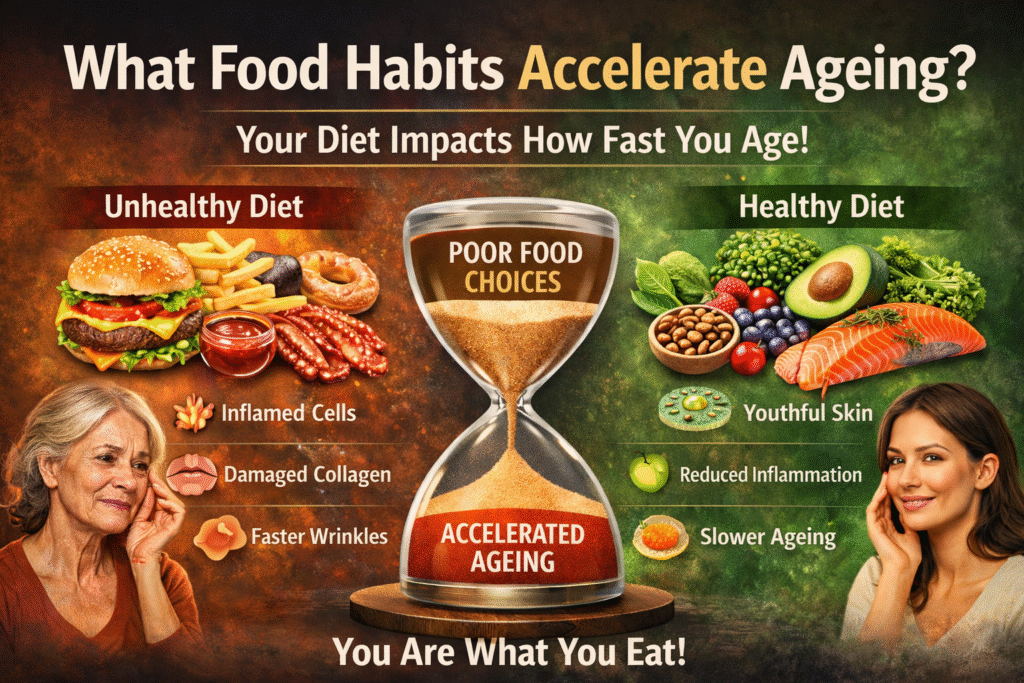
What Food Habits Accelerate Ageing? People who are interested in looking younger often prioritize skincare, supplements, or cosmetic procedures. In fact, what we consume daily has a greater impact on how quickly we age. Poor food choices trigger a cascade of effects that damage your cells, increase inflammation, and weaken your skin structure. This sets a countdown for how quickly your skin will age, regardless of how well you take care of it.
Not Having Enough Omega-3 Fatty Acids In Your Diet
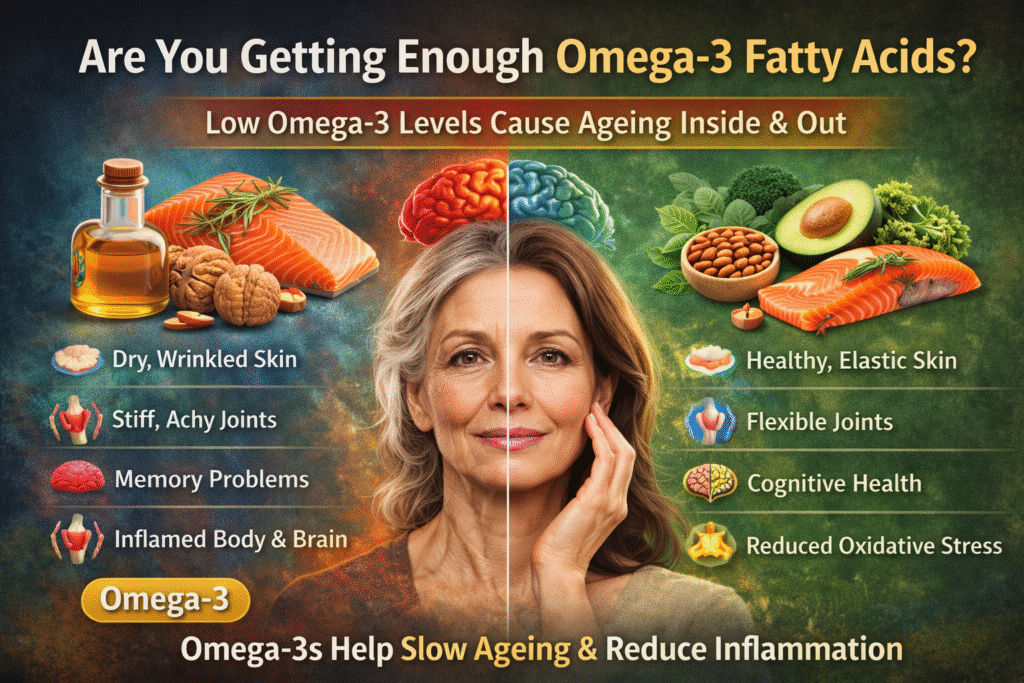
Omega-3 fatty acids are key to helping you have healthy skin, brain, and heart. When your body lacks the required amount of Omega-3 fatty acids, your skin will become loose and dry, your joints will become stiff, your brain will have difficulty with memory tasks, and your body and brain will become more inflamed. Your body will age visibly and internally. Your skin will lose elasticity and your body will become more prone to age-related diseases such as arthritis or heart issues. Omega-3 fatty acids support brain functioning and reduce oxidative stress.
Eating Refined Carbohydrates
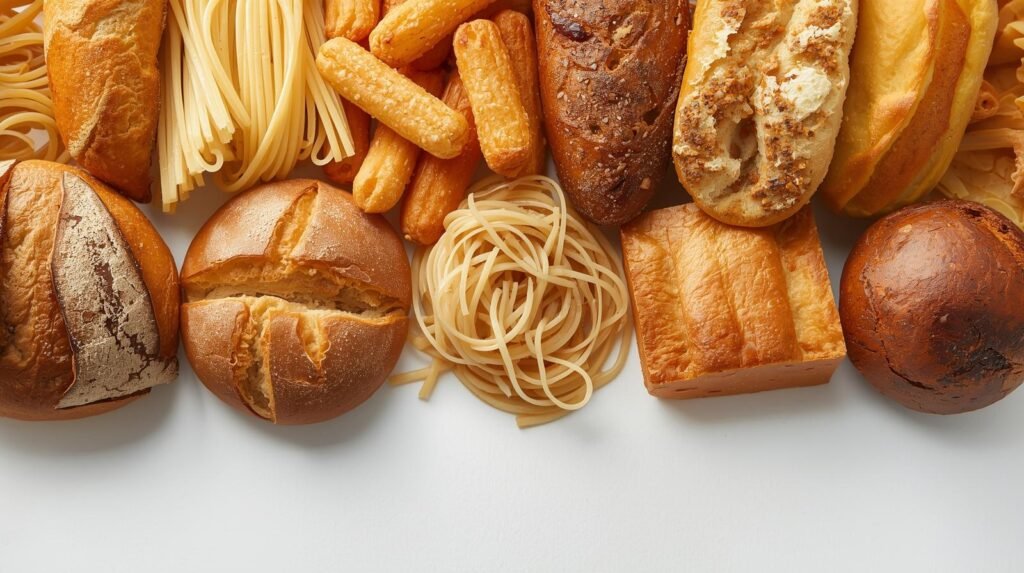
Refined carbs include foods like white rice, and white bread. These foods are quickly digested, leading to rapid increases in blood pressure and insulin levels. Frequent increases in blood pressure cause insulin resistance and inflammation. Elevated blood pressure harms elastin and collagen. These are the proteins responsible for making the skin smooth and firm. As collagen breaks down, sagging and aging skin appear sooner. These types of foods have malnutritional value. This speeds up the aging process and weakens the body from the inside.
Damage caused by High Sodium Intake
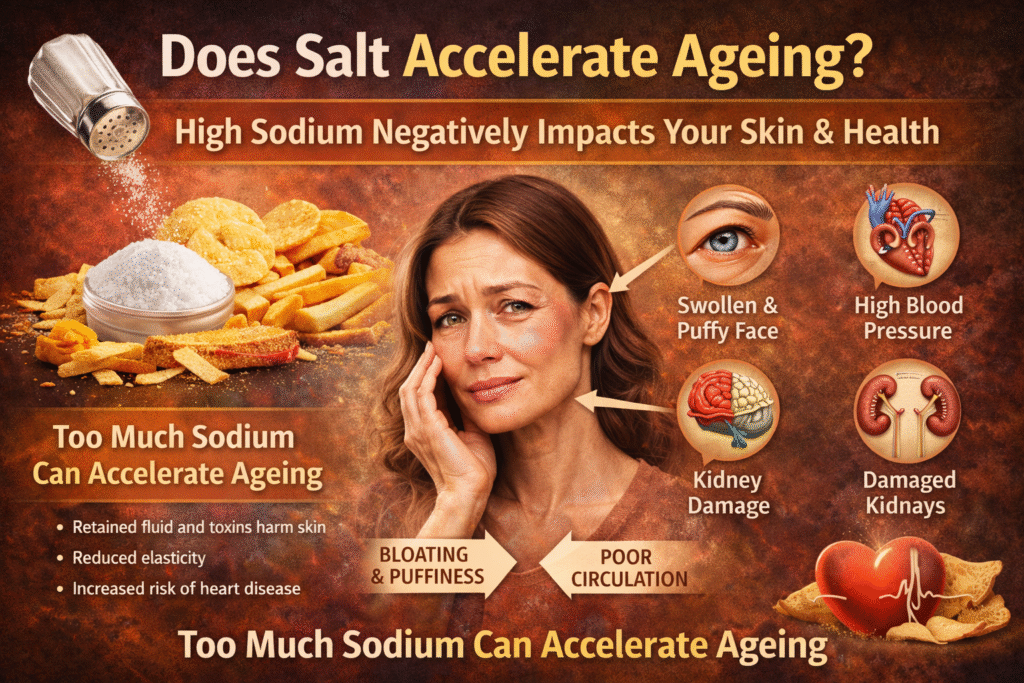
Too much sodium causes both internal and external effects of aging. Sodium causes the body to retain water. This leads to bloating and puffiness that can be very noticeable on the eyelids and face. High sodium contributes to high blood pressure over time. This negatively impacts blood circulation and the transport of nutrients and oxygen to the skin. This causes skin to lose elasticity and appear aged and dull. The kidneys can be negatively affected by excess sodium and may even increase the risk of heart disease.
Drinking Alcohol
Regular consumption of alcohol can lead you to age quicker. Alcohol dries the skin and can cause sagging and dry skin. You’ll develop more wrinkles from the skin becoming dry and tired. Sleeping can become more difficult, and when you don’t sleep, you body cannot begin repairing itself. Your body can begin to slow down its natural repairing process. If drinking becomes regular, this can cause your liver to become stressed, and the liver is the organ that filters toxins. If the liver becomes overworked, toxins that are normally filtered can cause the skin to become dull and red and can develop breakouts. As time goes on, the skin will develop to show the over consumption of alcohol.
Eating Processed Meats
Processed meats such as bacon, sausage, ham, and deli slices, as well as other cold cuts, are high in preservatives and sodium and contain harmful substances called Advanced Glycation End-products (AGEs). In your body, these substances promote inflammation and oxidative stress, which damage healthy cells and accelerate the aging process. Processed meats contribute to the breakdown of collagen and elastin, causing wrinkles and a loss of elasticity. Further, the regular consumption of these meats increases your risk of developing cardiovascular disease and certain types of cancer.

Eating Too Much Sugar
The more sugar you consume, the faster your body will age. With high sugar intake, glycation occurs, which damages collagen and elastin. Those proteins keep your skin smooth and firm. The damage leads to the formation of fine lines, early wrinkles, and age spots. Sugar also initiates chronic inflammation, which weakens the immune system and harms cells. In the long run, sugar intake shows a risk of serious health issues such as heart disease, obesity, and type 2 diabetes. And, sugar will crash your energy levels and make you feel exhausted.

Eating Deep-Fried Foods
Deep-fried foods may be enjoyable to eat, but they can be detrimental to your health. The oils used to fry the foods create trans fats and free radicals, which damage skin cells and minimize collagen production. Free radicals also cause body inflammation, which leads to early wrinkles, and can cause a host of other issues, including clogging of the skin’s pores and heart disease. Fried foods also impair liver function, hindering the body’s natural detoxification processes.

Skipping fruits and vegetables.
Not eating enough fruits and vegetables deprives you of important vitamins, antioxidants and fiber that fight oxidative stress and inflammation. These two accelerate ageing. Antioxidants boost skin repair, and when they are absent, skin damage can lead to the formation of wrinkles, age spots, and sagging. Fiber is important for digestive health, which aids in the proper absorption of nutrients and the removal of toxins. Without these, your body and skin age faster.
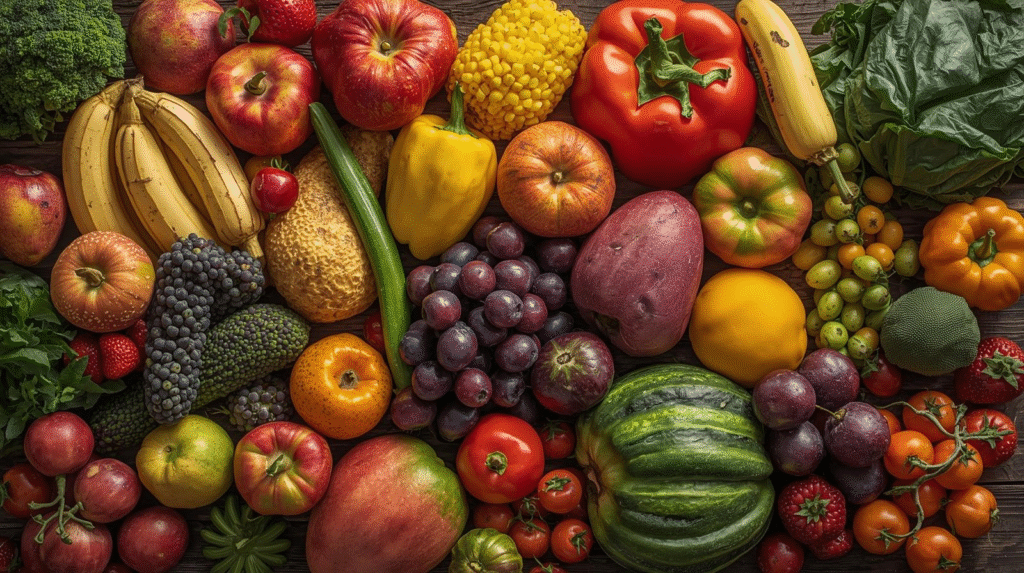
Create image fot this content in 16:9 format
Consuming Too Much Caffeine
Safe levels of caffeine consumption go hand in hand with age prevention. On the contrary, excessive consumption ages people more quickly. Energy drinks and sweetened coffee products can lead to dehydration, which in turn causes the body to lose moisture and can lead to the development of fine lines on the skin. Caffeine reduces the quality of sleep, increases the presence of stress hormones, and adversely impacts recovery. All this weakens the skin, increases negativity, slows the metabolic rate, and reduces storage levels of important body resources, such as magnesium and B vitamins, which are crucial for cell repair and energy production.

Conclusion
In the beginning, these habits don’t seem too harmful, yet over time, they’re damaging your skin, cells, and organs. Processed foods, sugars, unhealthy fats, and other nutrient-deficient foods accelerate internal and external aging. These foods promote inflammation and accelerate collagen breakdown, leading to more numerous, more severe wrinkles, chronic fatigue, and an increased likelihood of developing chronic illnesses. These habits that you choose to ignore deplete your health, and decrease the amount of energy that you have. Small changes in your diet that become a habit can help reduce the rate at which you age, improve your skin, and, in turn, improve your overall quality of life.
Frequently Asked Questions
1. Can certain foods make you age faster?
Yes. Foods high in sugar, refined carbs, unhealthy fats, and sodium can increase inflammation, damage collagen, and reduce skin elasticity, leading to faster physical and internal ageing.
2. How does sugar accelerate ageing?
Sugar promotes glycation, a process that damages collagen and elastin in the skin, leading to wrinkles, sagging, and age spots. It also triggers inflammation, which affects overall health.
3. What are better alternatives to processed meats and fried foods?
Fresh lean meats, grilled or baked dishes, legumes, and plant-based proteins are healthier choices that reduce inflammation and support slower ageing.
4. Why is Omega-3 important for anti-ageing?
Omega-3 fatty acids support brain function, skin hydration, and heart health. They reduce inflammation and oxidative stress, helping prevent early signs of ageing.
5. Can improving my diet really make me look younger?
Yes. A diet rich in antioxidants, healthy fats, fiber, and hydration helps preserve skin firmness, improves energy, and slows the visible effects of ageing.
Content Summary
This article explains how certain food habits can accelerate ageing, both externally and internally. It outlines how processed foods, refined carbs, excess sugar, sodium, and lack of essential nutrients like Omega-3 fatty acids contribute to skin damage, inflammation, and chronic diseases. Each section describes the negative effects and provides clear, simple actions to reduce or avoid these foods. The content is aimed at people who want to look younger, feel healthier, and slow down ageing through smart daily food choices.
Foods That Accelerate Ageing vs. Healthy Alternatives
| Ageing Food Habit | Impact on Ageing | Healthier Alternative |
|---|---|---|
| Refined Carbohydrates | Increases blood sugar, damages collagen | Whole grains, vegetables, legumes |
| High Sugar Intake | Leads to wrinkles, age spots, inflammation | Natural sugars from fruits, low-sugar snacks |
| Processed Meats | Triggers inflammation and tissue damage | Fresh lean meats, eggs, plant proteins |
| High Sodium | Causes puffiness, raises blood pressure | Low-sodium meals, herbs and spices |
| Low Omega-3 Intake | Leads to dry skin, joint issues, brain fatigue | Fatty fish, flaxseeds, walnuts, chia seeds |
| Fried Foods | Generates free radicals, damages skin | Grilled, steamed, or baked dishes |
References
- Harvard T.H. Chan School of Public Health. Omega-3 Fatty Acids: An Essential Contribution.
- National Institute on Aging. What Do We Know About Diet and Prevention of Alzheimer’s?.
- American Heart Association. How Much Sodium Should I Eat Per Day?.
- Mayo Clinic. Added Sugar: Don’t Get Sabotaged by Sweeteners.
- Cleveland Clinic. What Is Glycation and Why Is It Bad for You?.
Dataset: Food Habits That Accelerate Ageing
This dataset contains information on various food habits that are linked to accelerated ageing. It includes the type of food, its impact on ageing, and recommended healthier alternatives. The data is based on findings from trusted health organizations and research studies.
| Food Habit | Effect on Ageing | Healthy Alternative |
|---|---|---|
| Refined Carbohydrates | Increases inflammation and damages collagen | Whole grains, vegetables |
| High Sugar Intake | Leads to wrinkles, glycation, and inflammation | Fruits, low-sugar foods |
| Processed Meats | Triggers oxidative stress and tissue damage | Fresh lean meats, plant proteins |
| High Sodium | Causes puffiness and weakens blood flow to skin | Low-sodium options, herbs |
| Low Omega-3 Intake | Dry skin, joint stiffness, inflammation | Fatty fish, flaxseeds, walnuts |
Live References
- Harvard School of Public Health – Omega-3 Fatty Acids: An Essential Contribution
- National Institute on Aging – Diet and Alzheimer’s Disease Prevention
- American Heart Association – How Much Sodium Should I Eat Per Day?
- Mayo Clinic – Added Sugar: Don’t Get Sabotaged by Sweeteners
- Cleveland Clinic – What Is Glycation and Why Is It Bad for You?
- NIH – Advanced Glycation End Products in Human Health
- NIH – Role of Dietary Antioxidants in Skin Ageing
- NIH – The Effects of Sugar on Skin Ageing