Treatment for dry skin that still feels tight and rough, even after moisturizing, focuses on gentle cleansing, short lukewarm showers, rich fragrance-free creams applied to damp skin, and regular hand and night repair routines. It also identifies clear signs when home care is insufficient.
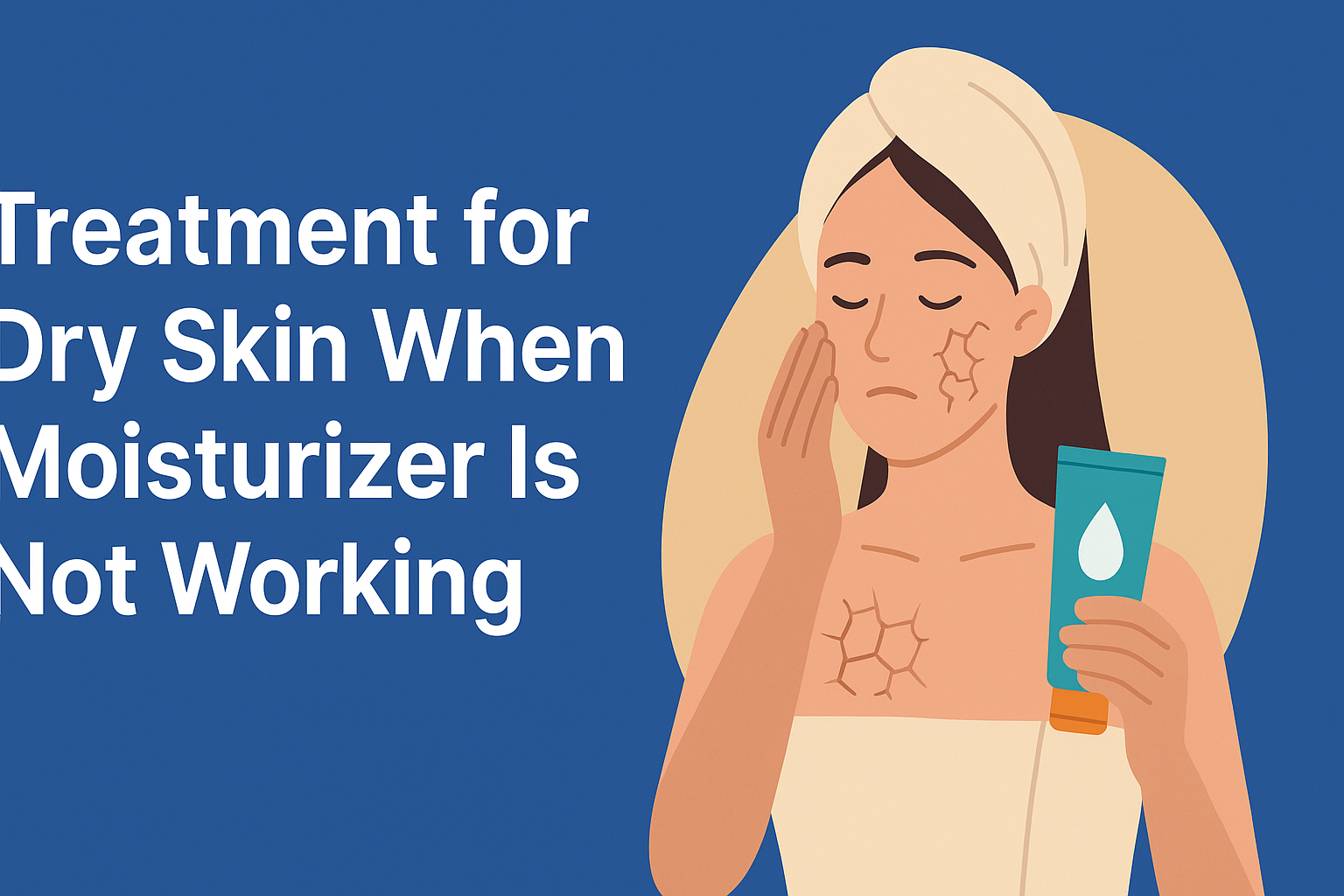
1. Why Your Skin Stays Dry Even After Moisturizing
Your skin feels tight, rough and a little itchy even though you apply cream every day. Right after moisturizing it looks better, but within an hour the dryness returns. It feels as if the product is only sitting on top.
That happens because treatment for dry skin is not just about adding more cream. If the outer layer of skin is damaged, water escapes too quickly. Harsh washing, weather, and age can weaken this barrier so moisture will not stay.
Many daily habits quietly undo your effort. Long hot showers melt away natural oils your skin needs. Strong soaps or face washes strip the surface clean. Rubbing with a towel leaves tiny cracks that make dryness and stinging more likely.
Even the best moisturizer cannot work well if it is used in the wrong way. Applying it on fully dry skin traps very little water. Using a tiny amount or rubbing too hard leaves patches that never get properly sealed.
Real improvement usually comes from changing the routine, not just changing the product. Shorter warm showers, gentle cleansers, soft patting with a towel and applying a rich cream on slightly damp skin can help treatment for dry skin work better.
To understand how daily hydration habits affect your skin, you can read morning water benefits . You may also find it useful to learn how nutrients like antioxidants support skin repair in why you need vitamin E for daily health .
2. Washing Habits That Quietly Undo Treatment for Dry Skin
Water itself can strip your skin when it is too hot or used for too long. Long showers and baths soften the outer layer, then remove its natural oils. After that, even a thick cream struggles to seal in moisture. To see how everyday routines slowly affect your skin and health, you can read simple habit changes that boost your daily life .
Strong soaps and face washes are another hidden problem. Many foaming cleansers, scrubs, and body washes are made to cut through oil and dirt quickly. On already dry skin, they leave the surface tight, rough, and more likely to sting after cream.
Frequent washing also matters. Washing your hands or face many times a day with harsh cleansers keeps resetting the skin barrier. You feel clean for a moment, but the tight, pulling feeling quickly returns, no matter how often you moisturize.
Switching to a mild, fragrance free cleanser can support treatment for dry skin. Look for words like gentle, soap free, or for dry and sensitive skin on the label. Use only enough to remove sweat and dirt, not to create a thick foam. For a broader routine that supports your whole body, see tips for living your strongest, healthiest life yet .
Shorter, lukewarm showers help more than very hot ones. Keep bathing time to around ten minutes, avoid heavy scrubbing, and skip rough sponges. This way your moisturizer does not have to fight against fresh damage every time you step out of the bathroom.
3. How to Choose a Moisturizer That Actually Helps Very Dry Skin
Many people use a light lotion and wonder why nothing changes. Lotions are mostly water and feel fresh, but they are often too thin for stubborn dryness. For very dry skin, a cream or ointment gives longer relief and better protection. For overall support from inside, you can also look at superfoods for better health .
Ingredients make a big difference. Creams with glycerin, hyaluronic acid, or urea help pull water into the top layers. Ceramides, shea butter, and plant oils help seal that water in. Together, they support treatment for dry skin instead of just sitting on top.
Fragrance and strong alcohols can irritate already dry skin. A product that smells very strong or stings on application may be doing more harm than good. Fragrance free or low fragrance options are usually safer for tight, rough, or itchy areas.
Face and body often need different textures. A rich, non greasy cream may suit the face, while very dry hands, legs, or feet may need a thicker balm, at least at night. Using one correct product on each area works better than one wrong product everywhere.
Testing a new product on a small patch first is a simple safety step. Apply it on the inner forearm or behind the ear for a few days. If the skin stays calm and soft, you can slowly include it in your regular treatment for dry skin. If you are also reviewing the oils you use in cooking and daily food, best oils for heart health offers a helpful overview of common options.
4. Simple Daily Changes That Help Treatment for Dry Skin Work Better
Timing matters almost as much as the product. The best moment to apply cream is within a few minutes after washing. When the skin is still slightly damp, the moisturizer can hold on to that water and keep it from escaping. For more small habit ideas that support your routine, you can read 5 tips for living your strongest, healthiest life yet .
How you dry your skin also counts. Rubbing with a towel creates friction and tiny tears on the surface. Patting gently with a soft towel keeps the barrier more intact. Leaving a light layer of moisture before applying cream gives a better base.
Hands suffer the most, because they are washed and used all day. Keeping a small tube of cream near the sink or in your bag encourages quick reapplication. Using a richer hand cream after washing and before bed can slowly repair cracks and roughness.
Household chores can undo hours of care. Detergents, cleaners, and dishwashing liquids remove oil from surfaces and from your skin. Wearing simple rubber or vinyl gloves over cotton gloves during wet work helps treatment for dry skin stay on track. If you are also thinking about long term health changes as you get older, healthy aging and longevity trends offers a broader view on protecting your body over time.
Clothing can either comfort or irritate. Rough fabrics and pure wool worn directly on dry skin can cause friction and itching. Choosing soft cotton or smooth layers next to the body reduces rubbing, so your moisturizer has a calmer surface to protect.
5. Night Repair Routine for Stubborn Dry Skin
Night is a good time for deeper repair, because the skin is not facing sun, wind, or soap. A short, calm routine can support treatment for dry skin better than adding many new products during the day. If you want to understand what your body does at night, you can read what happens to your body during sleep .
After a gentle evening cleanse, apply a slightly thicker layer of your cream or an ointment on the driest spots. Focus on hands, feet, elbows, and any area that feels tight even after daytime care. Give it a minute to absorb before lying down.
For very rough heels or hands, the soak and seal method can help. Soak the area in lukewarm water for a few minutes, pat it until just damp, then apply a heavy cream and cover with clean cotton socks or gloves for part of the night.
Keep your bedroom air comfortable. Very hot, dry air from heaters can pull moisture out of the skin while you sleep. If possible, keep the room moderately cool and avoid hot air blowing directly at you. Your night products will then have less work to do.
Staying regular with a simple night routine is more useful than chasing many new items. The same gentle steps done every evening for weeks give the barrier time to rebuild, so the morning tightness slowly reduces and treatment for dry skin shows steady results. If dry skin comes with ongoing tiredness, you may also like natural energy and fatigue remedies .
6. When Treatment for Dry Skin at Home Is Not Enough
Sometimes, very dry skin is a sign of another problem and not only of habits or weather. If the skin is red, swollen, or covered with a rash, it may be eczema, allergy, or another skin condition that needs proper medical assessment. In some people, dryness can appear along with tiredness or mood changes, as seen in issues like vitamin B deficiency symptoms .
Cracks that bleed, yellow crusts, or fluid filled bumps suggest infection or strong irritation. In this situation, home creams and oils are not enough and may even make things worse. These signs should not be ignored or covered forever under thicker layers.
If you have followed a gentle routine for several weeks, used rich moisturizers correctly, and protected your skin from soaps and cleaners, but the dryness is as bad as before, it may be time to get it checked. Persistent problems deserve a closer look.
Some people need prescription creams, ointments, or tests for health issues like thyroid disease, diabetes, or nutritional lack. In those cases, treatment for dry skin is part of a larger plan. Simple daily care still helps, but medical support adds the missing piece. If ongoing fatigue is part of the picture, you may also find feeling tired after rest helpful for understanding other body signals.
7. Conclusion: Making Treatment for Dry Skin Actually Work
Very dry skin that stays rough after moisturizing is not a sign that you did something wrong once. It usually means your skin barrier is stressed every day, while your cream is trying to help only for a moment.
Hot showers, strong soaps, and rough towels keep opening tiny gaps on the surface. Light lotions and quick applications cannot fill those gaps for long. When the barrier stays weak, water escapes again and the same tight, itchy feeling returns. Long term stress and tension can also affect how your body feels overall, as explained in how emotions affect your physical health .
Simple changes, repeated daily, are what turn treatment for dry skin into real progress. Gentle cleansing, shorter warm baths, patting dry, and applying a rich cream on slightly damp skin help each product work closer to its full strength.
Hands, feet, and other busy areas may need extra care at night. A thicker layer of cream or ointment, cotton gloves or socks, and calmer bedroom air give the skin hours to quietly repair. Small steps at bedtime often bring the biggest morning relief. Supporting your body’s stress response, as discussed in naturally lower your cortisol levels , can also help your skin over time.
If after weeks of careful home care the skin is still cracked, red, or painful, it may be more than simple dryness. At that point, adding a doctor’s help to your routine is not a failure. It is the next logical step in protecting your skin.
Disclaimer
This article is for general information only and is not a substitute for medical advice, diagnosis, or treatment. Do not ignore or delay professional care because of what you read here. If your skin is very painful, cracked, infected, or not improving, speak with a qualified healthcare professional.
FAQs: Treatment for Dry Skin That Stays Rough After Moisturizing
1. Why is my skin still dry even after I use moisturizer?
This often happens when the outer skin barrier is damaged or when the product is too light. Hot showers, harsh soaps, and rubbing with towels remove natural oils, so cream cannot hold water in for long.
2. How many times a day should I moisturize very dry skin?
Most people with very dry skin do best with at least two to three applications daily. Apply after washing, when the skin is slightly damp, and add extra cream on hands and other busy areas as needed.
3. Which is better for very dry skin, lotion, cream, or ointment?
Lotions are usually too light for stubborn dryness. A rich cream or ointment gives longer relief because it has more oils and barrier supporting ingredients that seal moisture in more effectively.
4. Can drinking more water alone fix very dry skin?
Drinking enough water supports overall health, but it is rarely enough on its own for very dry skin. You still need gentle cleansing, protection from harsh products, and regular use of a suitable moisturizer on the surface.
5. Is it safe to exfoliate very dry, flaky skin?
Exfoliating too often or with strong products can make dry skin sting and crack. If needed, use a very gentle exfoliant only occasionally and always follow with a rich, fragrance free cream on damp skin.
6. When should I see a doctor about dry skin that does not improve?
See a doctor if dryness comes with strong redness, swelling, cracks that bleed, yellow crusts, or pain. Also seek medical advice if careful home care for several weeks does not bring any clear improvement.
CTS Block: Quick View of Treatment for Dry Skin That Stays Rough After Moisturizing
Treatment for dry skin that still feels tight and rough after moisturizing works best when you protect the skin barrier, not just switch creams. Short lukewarm showers, gentle cleansers, and rich, fragrance free creams on damp skin help water stay in longer.
Daily habits matter as much as products. Patting dry with a soft towel, protecting hands during wet work, using a simple night routine, and knowing when to ask a doctor for help all turn treatment for dry skin into steady, long term relief.
| Problem | Likely Reason | Simple Daily Fix | When to Get Medical Help |
|---|---|---|---|
| Skin feels dry again soon after moisturizing | Hot showers, harsh soaps, and rough towels weaken the skin barrier, so water escapes quickly. | Use lukewarm showers, gentle cleansers, pat dry, and apply a rich cream on slightly damp skin. | If there is strong redness, burning, or no relief after several weeks of careful care. |
| Hands stay rough, cracked, and sore | Frequent washing and strong detergents strip natural oils again and again. | Use mild soap, reapply a thick hand cream after washing, and wear gloves for wet or chemical work. | If cracks bleed, hurt to move, or look infected with pus, warmth, or yellow crusts. |
| Tight, itchy skin at night | No evening routine and very dry bedroom air stress the skin for hours. | Gently cleanse, use a thicker cream or ointment on dry spots, and keep the room cool with no hot air blowing at you. | If itching is severe, sleep is disturbed, or rash and swelling appear. |
| Dryness does not improve despite good home care | Possible eczema, allergy, hormone issues, thyroid disease, diabetes, or nutrient lack. | Keep gentle skin care, note triggers, and prepare to share details with a doctor. | If dryness is long lasting, painful, or clearly linked with other health changes. |
Scientific References
The following medical and dermatology sources discuss dry skin (xerosis), skin barrier care, emollient ingredients such as glycerin, urea, ceramides, and practical home care steps that support treatment for dry skin when moisturizer alone is not enough.
- American Academy of Dermatology. “Dry skin: Diagnosis and treatment” and “Dermatologists’ top tips for relieving dry skin.” AAD.org. Accessed 2025. Available at: https://www.aad.org/public/diseases/a-z/dry-skin-treatment and https://www.aad.org/public/everyday-care/skin-care-basics/dry/dermatologists-tips-relieve-dry-skin .
- Mayo Clinic. “Dry skin – Diagnosis and treatment.” MayoClinic.org. Updated 2023. Available at: https://www.mayoclinic.org/diseases-conditions/dry-skin/diagnosis-treatment/drc-20353891 .
- Harvard Health Publishing. “9 ways to banish dry skin.” Harvard Health. Updated July 24, 2024. Available at: https://www.health.harvard.edu/staying-healthy/9-ways-to-banish-dry-skin .
- Cleveland Clinic. “Dry Skin (Xeroderma): Symptoms, Causes, Treatment & Management.” My.ClevelandClinic.org. Updated 2023. Available at: https://my.clevelandclinic.org/health/diseases/16940-dry-skin .
- Augustin M, et al. “Diagnosis and treatment of xerosis cutis – a position paper.” Journal der Deutschen Dermatologischen Gesellschaft. 2019. Summary available at: https://onlinelibrary.wiley.com/doi/10.1111/ddg.13906 .
- Wollenberg A, et al. “Basic emollients for xerosis cutis in atopic dermatitis.” International Journal of Dermatology. 2025. Full text available via PubMed Central: https://pmc.ncbi.nlm.nih.gov/articles/PMC12124105/ .
Dataset: Daily Factors That Influence Treatment for Dry Skin
This dataset summarizes key daily care factors that can help or hinder treatment for dry skin that stays rough and tight even after moisturizing. It highlights simple actions that support the skin barrier over time.
| Factor | Example | Impact on Very Dry Skin | Supportive Action |
|---|---|---|---|
| Shower temperature and duration | Very hot water, 20–30 minute baths | Strips natural oils, weakens barrier, cream stops working quickly | Use lukewarm water and keep baths or showers around 10 minutes |
| Cleanser strength | Strong foaming body wash or deodorant soap | Leaves skin tight, rough, and more likely to sting after cream | Switch to mild, fragrance free cleansers for dry or sensitive skin |
| Moisturizer texture and ingredients | Thin lotion with strong fragrance | Feels fresh but does not seal in water for long on very dry skin | Choose rich cream or ointment with glycerin, ceramides, or shea butter |
| Application timing | Cream applied long after washing on fully dry skin | Locks in little moisture, dryness returns quickly | Apply moisturizer within minutes on slightly damp skin after washing |
| Hand and wet-work protection | Dishwashing and cleaning without gloves | Detergents keep breaking the barrier; hands stay cracked and sore | Wear gloves and reapply thick hand cream after washing or chores |
| Bedroom air and night routine | Hot, dry air blowing directly on skin | Moisture escapes all night, morning tightness stays | Keep room moderately cool, avoid hot air flow, use thicker night cream |
Live Reference Articles for Treatment for Dry Skin
These trusted medical and dermatology resources offer up to date guidance on dry skin (xerosis), everyday care routines, and when to seek professional help if home treatment for dry skin is not enough.
- American Academy of Dermatology – Dry skin: Diagnosis and treatment
- American Academy of Dermatology – Dermatologists’ tips to relieve dry skin
- Mayo Clinic – Dry skin: Diagnosis and treatment
- Harvard Health – 9 ways to banish dry skin
- Cleveland Clinic – Dry Skin (Xeroderma): Symptoms, causes, treatment & management